
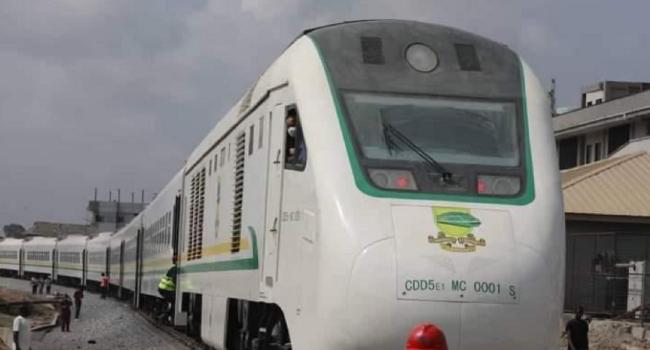
For thousands of Nigerians, particularly residents of Delta State and the South-East, the prolonged suspension of operations on the Warri–Itakpe railway line is no longer merely a transportation issue; it has become a painful daily reality that demands urgent national attention.
Months after train services were halted following a fatal accident, commuters are still waiting for the restoration of operations on one of Nigeria’s most strategic transport corridors. While safety considerations must remain paramount, the pace of repairs has raised legitimate concerns among citizens who depend heavily on the rail service for affordable, reliable and relatively safe travel.
The Warri–Itakpe rail line is not just another railway project. It is a critical national asset linking the Niger Delta to Northern Nigeria and serving as an indispensable bridge for trade, business, official engagements and social interactions across regions.
Its importance has become even more evident in the face of the deplorable condition of major highways connecting the South to Abuja and other parts of the country. The Onitsha–Asaba–Benin road, the Agbor–Uromi road, and the Onicha-Ugbo–Idumuje-Ugboko–Uromi road have become routes of hardship, subjecting travellers to endless delays, high transportation costs, vehicle breakdowns and serious safety concerns.
For many travellers from Delta State and neighbouring states, the Warri–Itakpe train service became the most dependable option for journeys to the North and the Federal Capital Territory. It offered comfort, affordability and relief from the ordeal of long and difficult road trips.
Today, that option is no longer available, and ordinary Nigerians are paying the price.
Every additional day of delay in restoring operations translates into more hardship for workers, traders, students, business owners, public servants and families who rely on the rail service. It means more people are compelled to travel on roads that are already overstretched and in poor condition. It means more time lost, higher costs and greater risks.
This situation should not continue indefinitely.
Rail transportation remains one of the most effective means of moving people and goods in any modern economy. A functional railway reduces pressure on roads, lowers transportation costs, supports commerce and promotes national integration. The Warri–Itakpe rail corridor performs all these functions and more.
This is why the restoration of operations on the line should be treated as an urgent national priority.
We call on the Federal Government and all relevant authorities to intensify ongoing repair works and ensure that services are restored as quickly as possible, without compromising safety standards. Nigerians deserve clear information on the progress of the repairs and a definite timeline for the resumption of operations.
The Delta State Government must also engage actively with the appropriate federal agencies to press home the urgency of the matter. Likewise, members of the National Assembly representing Delta State should rise above partisan considerations and speak with one voice in defence of the interests and welfare of their constituents.
Infrastructure exists to serve the people. When vital public infrastructure remains out of use for prolonged periods, the burden falls on ordinary citizens who have no alternatives.
The people of Delta State and indeed Nigerians who rely on this rail corridor have endured enough inconvenience and hardship. The Warri–Itakpe railway is too important to remain silent for this long.
The message to the authorities is clear: hasten the repairs, restore operations and return this strategic railway to the service of the people without further delay.
C. W. Ugbolue
cshowcasenews.com