

The Independent National Electoral Commission (INEC) has commenced the sanitisation of its preliminary Register of Voters following the discovery of records containing suspected artificial intelligence (AI)-generated photographs and other irregularities.
The commission disclosed that its Automated Biometric Identification System (ABIS) had identified 268 questionable records requiring further examination and possible removal from the register.
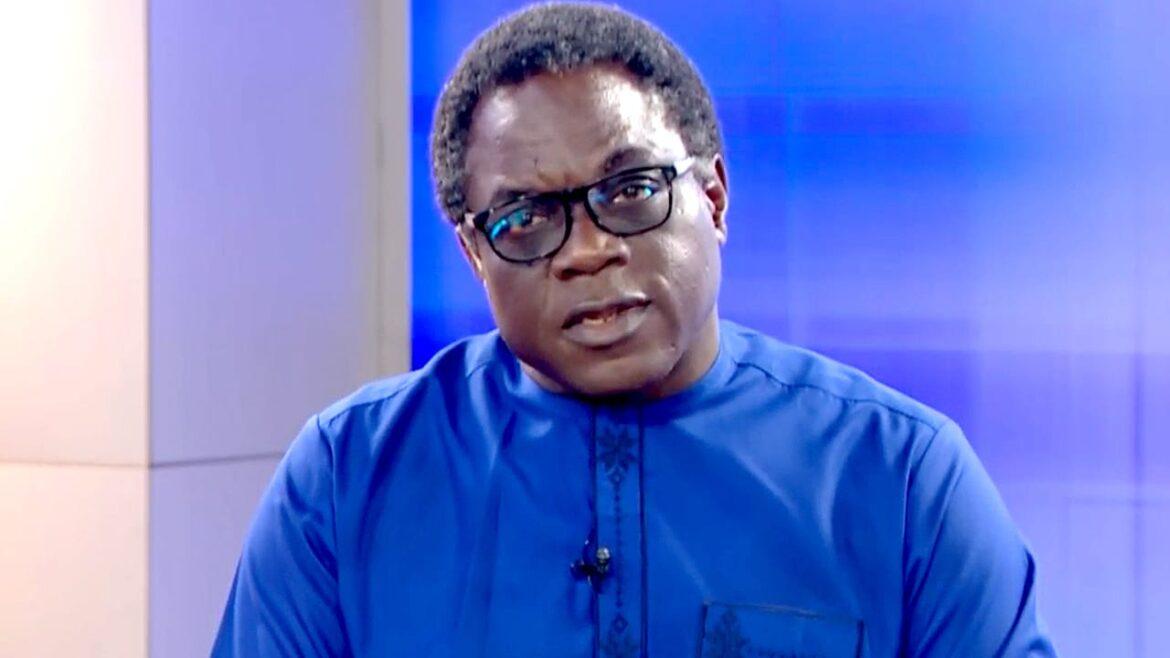
INEC’s Director of Information and Communication Technology, Lawrence Bayode, made this known during an appearance on Channels Television’s Sunday Politics, explaining that the commission was already reviewing the flagged records.
“What we are currently doing now is looking at all these 268 records that ABIS already flagged as AI-generated or even something of irregularities,” Bayode said.
He alleged that some individuals exploited the special registration provision meant for persons with disabilities who have incomplete fingers or no fingers to create questionable voter profiles.
According to him, the option, designed to accommodate eligible persons with specific physical disabilities, was allegedly manipulated by some applicants using official credentials to circumvent the registration process.
Bayode assured that INEC had begun removing records found to contain fraudulent or entirely AI-generated photographs.
“Those that we have seen, we are cleaning up,” he stated.
He, however, clarified that the commission would not automatically disqualify voters whose genuine photographs had merely been enhanced using artificial intelligence applications on mobile phones.
He explained that there was a distinction between photographs entirely generated by AI and authentic personal photographs that had undergone enhancement through digital tools.
“Those that we know it is the AI on the phone that helped enhance their pictures, we can’t exclude such people because it was the AI on the phone that does that. Such people will still be on the register, but those AI-generated photographs, all these will be removed. We are already looking at them,” he said.
The development follows the controversy that greeted the publication of INEC’s preliminary Register of Voters online on October 26, after screenshots of questionable voter photographs circulated on social media, including records reportedly linked to some parts of Edo State.
The publication also generated concerns over alleged duplicate registrations and reports that the names of deceased persons were still appearing on the register.
Responding to the concerns, INEC explained that the online publication was the same preliminary register earlier displayed physically at Registration Areas across the country between October 9 and 15.
The commission maintained that the publication did not capture all the data-cleaning exercises already being undertaken, stressing that the register was still undergoing verification and was yet to attain its final certified status.
INEC further explained that the display, claims and objections exercise was specifically designed to give members of the public the opportunity to identify errors, challenge questionable entries and report inaccuracies before the register is certified.
The commission is expected to conclude the necessary verification, adjudication and data-cleanup processes ahead of the certification of the final Register of Voters scheduled for December 15, 2026.